Loading…
sealvo.com · USPTO Trademark Record
https://sealvo.com/gilman-74624144

Precious metals and their alloys; jewellery, precious and semi-precious stones; horological and chronometric instruments.; Paper and cardboard; printed matter; bookbinding material; photographs; stationery and office requisites, except furniture; adhesives for stationery or household purposes; drawing materials and materials for artists; paintbrushes; instructional and teaching materials; plastic sheets, films and bags for wrapping and packaging; printers' type, printing blocks.; Furniture, mirrors, picture frames; containers, not of metal, for storage or transport; unworked or semi-worked bone, horn, whalebone or mother-of-pearl; shells; meerschaum; yellow amber.; Household or kitchen utensils and containers; cookware and tableware, except forks, knives and spoons; combs and sponges; brushes, except paintbrushes; brush-making materials; articles for cleaning purposes; unworked or semi-worked glass, except building glass; glassware, porcelain and earthenware.; Textiles and substitutes for textiles; household linen; curtains of textile or plastic.; Clothing, footwear, headwear.; Education; providing of training; entertainment; sporting and cultural activities.
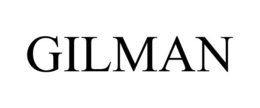
"GILMAN" (Serial No. 74624144), Registration No. 0, is a abandoned US trademark filed on Jan 23, 1995 by Gilman School, Incorporated. This trademark covers Class 014 (Precious metals, jewelry, clocks & watches), Class 016 (Paper goods, books & stationery), Class 020 (Furniture, mirrors & non-metal containers), Class 021 (Household utensils, cookware & glassware), Class 024 (Textiles, fabrics & bed/table covers), Class 025 (Clothing, footwear & headgear), Class 041 (Education & entertainment services).

First use anywhere: Nov 30, 1911
First use in commerce: Nov 30, 1911
Precious metals and their alloys; jewellery, precious and semi-precious stones; horological and chronometric instruments.
First use anywhere: Nov 30, 1911
First use in commerce: Nov 30, 1911
Paper and cardboard; printed matter; bookbinding material; photographs; stationery and office requisites, except furniture; adhesives for stationery or household purposes; drawing materials and materials for artists; paintbrushes; instructional and teaching materials; plastic sheets, films and bags for wrapping and packaging; printers' type, printing blocks.
First use anywhere: Nov 30, 1911
First use in commerce: Nov 30, 1911
Furniture, mirrors, picture frames; containers, not of metal, for storage or transport; unworked or semi-worked bone, horn, whalebone or mother-of-pearl; shells; meerschaum; yellow amber.
First use anywhere: Nov 30, 1911
First use in commerce: Nov 30, 1911
Household or kitchen utensils and containers; cookware and tableware, except forks, knives and spoons; combs and sponges; brushes, except paintbrushes; brush-making materials; articles for cleaning purposes; unworked or semi-worked glass, except building glass; glassware, porcelain and earthenware.
First use anywhere: Nov 30, 1911
First use in commerce: Nov 30, 1911
Textiles and substitutes for textiles; household linen; curtains of textile or plastic.
First use anywhere: Nov 30, 1911
First use in commerce: Nov 30, 1911
Clothing, footwear, headwear.
First use anywhere: Nov 30, 1911
First use in commerce: Nov 30, 1911
Education; providing of training; entertainment; sporting and cultural activities.
This description is as filed with the USPTO and defines the scope of trademark protection.
Recently filed and registered marks in the same international class.
AI attorney analyzes your proposed mark against USPTO — Go/No-Go verdict, class-by-class risks, and strategy recommendations.
Free USPTO lookups by name, owner, or serial number. No account needed.
Search by serial number, mark name, or logo. See conflicting marks ranked by risk with clear explanations of what contributed.